Essential Air Conditioning Maintenance Tips for Homeowners
Air conditioning systems are essential for maintaining comfort in our homes, especially during the sweltering summer months. However, many homeowners overlook the importance of regular maintenance, which can lead to costly repairs and inefficient cooling. This blog post will guide you through essential air conditioning maintenance tips that every homeowner should know to keep their systems running smoothly and efficiently.

Understanding Your Air Conditioning System
Before diving into maintenance tips, it's crucial to understand how your air conditioning system works. Most residential air conditioning systems operate using a refrigeration cycle, which involves the following components:
Compressor: Circulates refrigerant through the system.
Condenser: Releases heat from the refrigerant outside the home.
Evaporator: Absorbs heat from the indoor air, cooling it down.
Expansion Valve: Regulates the flow of refrigerant into the evaporator.
By understanding these components, you can better appreciate the importance of regular maintenance.
Regular Filter Replacement
One of the simplest yet most effective maintenance tasks is to regularly replace or clean your air filters. Clogged filters can restrict airflow, making your system work harder and less efficiently. Here’s how to manage your filters:
Frequency: Check your filters monthly and replace them every 1-3 months, depending on usage and filter type.
Type of Filters: Use high-efficiency particulate air (HEPA) filters for better air quality.
Signs of Clogging: If you notice reduced airflow or increased energy bills, it may be time to check your filters.
Cleaning the Condenser Unit
The outdoor condenser unit plays a vital role in your air conditioning system. Keeping it clean ensures efficient operation. Here’s how to maintain it:
Remove Debris: Clear away leaves, dirt, and debris from around the unit. Aim for at least two feet of clearance around the unit.
Clean the Fins: Use a soft brush or a vacuum with a brush attachment to clean the fins gently. Avoid bending them, as this can affect airflow.
Check for Damage: Inspect the unit for any signs of damage or wear. If you notice anything unusual, contact a professional.
Inspecting Ductwork
Leaky or dirty ducts can significantly impact your air conditioning system's efficiency. Regularly inspect your ductwork for the following:
Leaks: Look for gaps or holes in the ducts. Sealing these can improve efficiency and reduce energy costs.
Insulation: Ensure that ducts in unconditioned spaces (like attics) are properly insulated to prevent energy loss.
Cleaning: Consider having your ducts professionally cleaned every few years to remove dust and allergens.
Scheduling Professional Maintenance
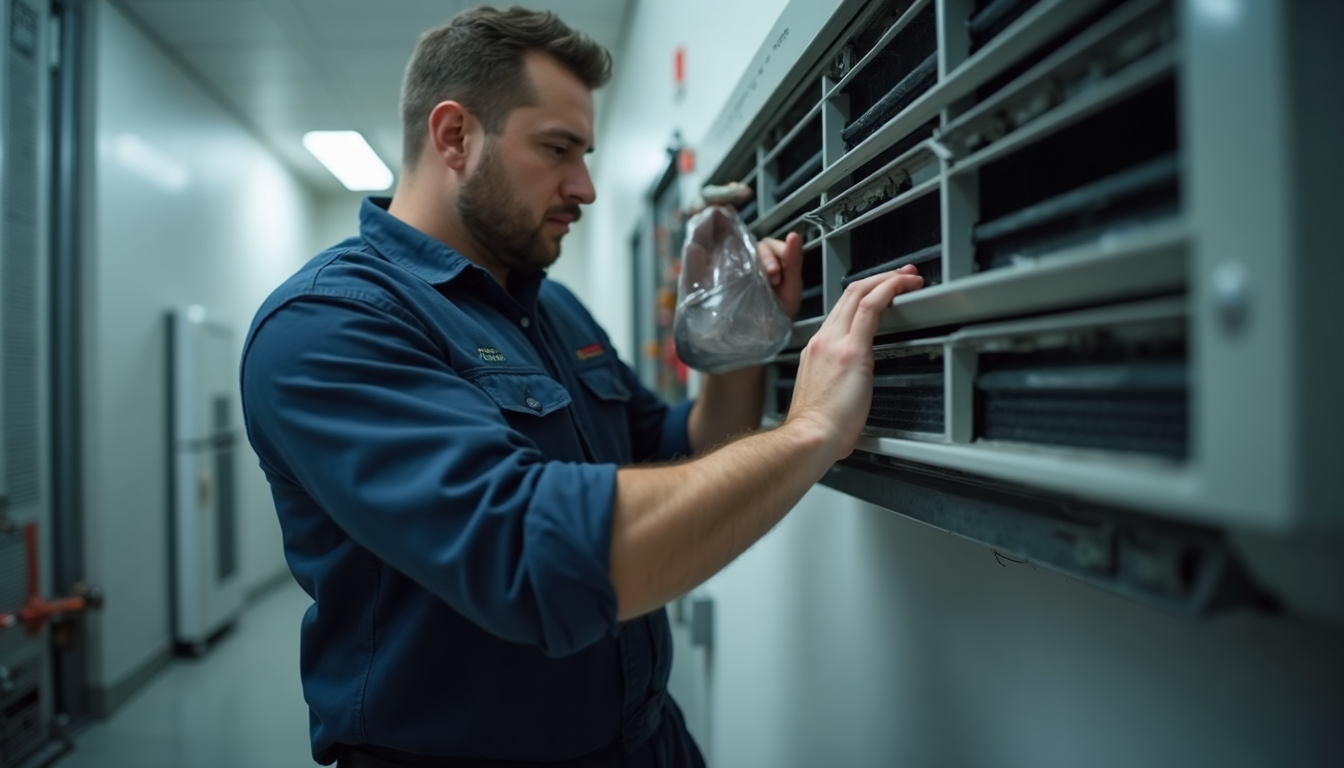
While there are many maintenance tasks homeowners can handle, scheduling professional maintenance is crucial. Here’s what to expect during a professional service:
Annual Tune-Up: A professional technician will perform a comprehensive inspection, cleaning, and tune-up of your system.
Identifying Issues: They can identify potential problems before they become major issues, saving you time and money.
System Efficiency: Regular professional maintenance can improve your system's efficiency and extend its lifespan.
Monitoring Thermostat Settings
Your thermostat plays a significant role in your air conditioning system's efficiency. Here are some tips for optimal thermostat management:
Set to Auto: Use the auto setting instead of the on setting to save energy. This allows the fan to run only when the system is cooling.
Smart Thermostats: Consider upgrading to a smart thermostat that can learn your schedule and adjust temperatures accordingly.
Temperature Settings: Aim for a comfortable temperature setting, typically between 75-78°F during the summer.
Checking Refrigerant Levels
Low refrigerant levels can indicate a leak and can severely impact your system's performance. Here’s how to manage refrigerant levels:
Signs of Low Refrigerant: If your system is blowing warm air or ice is forming on the evaporator coils, it may be low on refrigerant.
Professional Help: Always consult a professional to check and refill refrigerant levels, as handling refrigerants requires specialized knowledge and tools.
Insulating Your Home
Proper insulation can significantly reduce the workload on your air conditioning system. Here are some areas to focus on:
Attic Insulation: Ensure your attic is well-insulated to prevent cool air from escaping.
Windows and Doors: Use weather stripping or caulking to seal gaps around windows and doors.
Energy-Efficient Windows: Consider installing energy-efficient windows that reduce heat transfer.
Understanding Energy Efficiency Ratings
Familiarizing yourself with energy efficiency ratings can help you make informed decisions about your air conditioning system. Here are some key terms:
SEER Rating: The Seasonal Energy Efficiency Ratio (SEER) measures the cooling output during a typical cooling season divided by the total electric energy input. Higher SEER ratings indicate better efficiency.
Energy Star Certification: Look for units with the Energy Star label, which signifies that they meet strict energy efficiency guidelines.
Keeping an Eye on Energy Bills
Monitoring your energy bills can provide insight into your air conditioning system's performance. Here’s what to look for:
Sudden Increases: If you notice a sudden spike in your energy bills, it may indicate that your system is working harder than usual.
Seasonal Trends: Compare your bills from previous years to identify any unusual patterns or increases.
Preparing for Seasonal Changes
As seasons change, so should your air conditioning maintenance routine. Here are some seasonal tips:
Spring Preparation: Before the cooling season begins, schedule a professional tune-up and clean your outdoor unit.
Fall Maintenance: As summer ends, consider covering your outdoor unit to protect it from winter weather.
Conclusion
Maintaining your air conditioning system is essential for ensuring comfort and efficiency in your home. By following these essential maintenance tips, you can extend the lifespan of your system, improve air quality, and reduce energy costs. Remember, regular maintenance not only keeps your home cool but also saves you money in the long run. Take action today to ensure your air conditioning system is ready for the next heatwave!
Comments